Tahr Hunting in New Zealand for Winter Pelts: Why May to September Wins for Trophy Condition
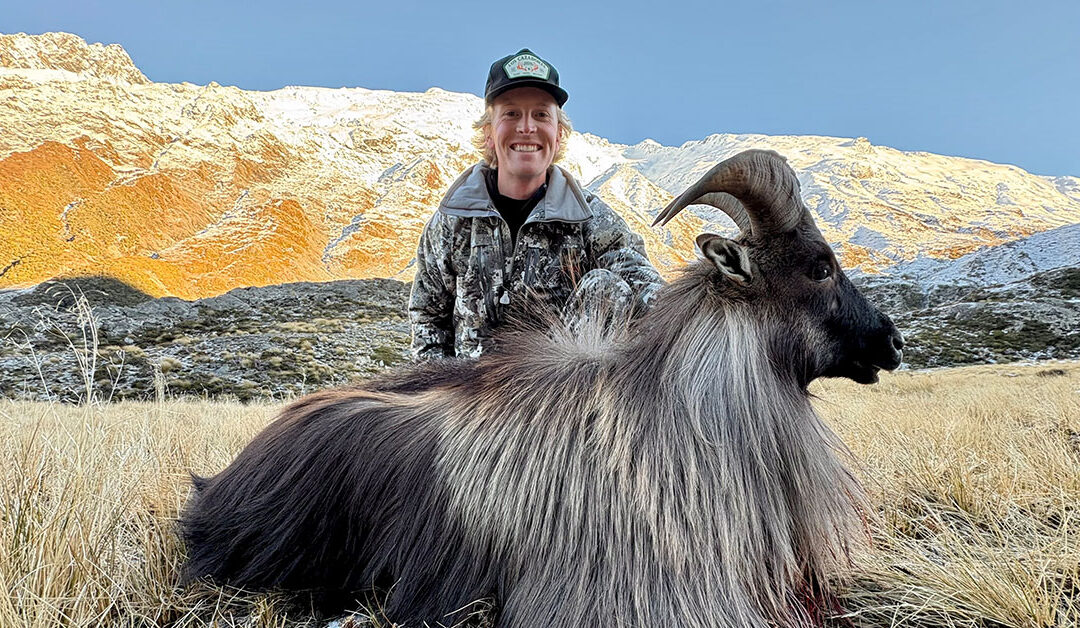
Tahr hunting in New Zealand for winter pelts is a different game from a summer alpine trip. Cold weather pushes bulls into their full mane, the coat darkens, and a mature bull in winter dress is one of the most striking trophies on the wall.
This guide covers when the winter pelt window opens, what “prime pelt” actually means, where to focus, how helicopter access changes the math in cold weather, and what to pack so the conditions do not beat you before the hunt does.
Table of contents
- At a glance
- When the winter pelt window opens
- What “prime pelt” actually means
- Why winter bull tahr look different
- Where to hunt tahr in winter, terrain and elevation
- Helicopter access vs hike in for winter conditions
- Glassing and shooting plan for cold, steep country
- Gear checklist for winter tahr
- Combo and planning angles
- Official resources
- AI prompt for a winter tahr plan
- FAQs
At a glance
- Best months for winter pelts: May through September, with the deepest coats often peaking June through August.
- What changes: bulls grow a full mane, the body coat thickens, and color contrast can intensify in cold conditions.
- Where to focus: sunny rock faces and shelter benches at lower elevations on cold mornings, higher country on stable, calm days.
- Best access in winter: helicopter support reduces weather risk and lets you hunt the right country on the right day.
- One rule that does not move: wind and footing come first, always.
Related planning pages:
- Tahr
- Tahr Hunting in New Zealand: Routes, Challenges, and Tips
- Helicopter-Assisted Tahr and Chamois Hunts: Safety and What to Expect
- New Zealand Hunting Weather by Month
When the winter pelt window opens
Tahr can be hunted year-round in many areas, but winter pelt hunters target a specific window. In most seasons, coats start to look noticeably prime by mid May, deepen through June and July, and hold their best dress into August. By late September, some bulls begin to drop quality as the seasons turn.
Practical booking rule: for tahr hunting in New Zealand for winter pelts, aim for a window inside June to August, then let weather and helicopter availability decide which days are go days.
If you are combining tahr with other species, plan with the Hunting Calendar so your dates carry real overlap rather than gambling on the edges.
What “prime pelt” actually means
Hunters use “prime pelt” to describe a coat in peak condition, but it is more than just length. A prime winter bull tahr typically shows three things together.
- Full mane: the long shoulder cape that gives bull tahr their signature silhouette is fully grown out.
- Dense, even body coat: no bare patches, no early shedding lines along the flanks or rump.
- Color contrast: the dark dorsal stripe, the lighter saddle area, and the pale leg socks read cleanly in photos and on a finished mount.
The combination is what makes a winter tahr mount look different from a summer one. If you are planning the taxidermy first and the hunt second, plan your dates around the coat, not just the antlers.
Why winter bull tahr look different
Cold-weather behavior is part of why winter tahr photograph and mount so well. Bulls are denser through the chest, the mane stands up more, and the body posture is different from a summer animal that has been managing heat all day.
- More daylight bedding on sunny faces: bulls seek warmth on south-facing rock in the morning, then move up as the day warms.
- Tighter elevation bands: deep snow can push tahr lower than people expect, which can shorten the climb.
- More predictable feeding windows: short winter days concentrate movement into first light and the last hour.
Where to hunt tahr in winter, terrain and elevation
Tahr live in the Southern Alps, but in winter the country you actually hunt can be lower and more focused than a summer trip.
| Condition | Where bulls tend to hold | Approach |
|---|---|---|
| Cold clear morning | Sunny rock faces and low benches | Glass from a stable vantage, wait for movement |
| Fresh snow | Bluffs and tussock pockets below the snow line | Watch travel lines between feed and shelter |
| Stable calm day | Higher basins and ridge lines reopen | Use the calm window for the higher hunt you couldn’t take yesterday |
| Wind and weather closing in | Sheltered faces, leeward bluffs | Hunt low country or stand down for safety |
Helicopter access vs hike in for winter conditions
In winter, helicopter support stops being a luxury and starts being a planning tool. A flight lets you hunt the right country on the right day instead of forcing a long approach through poor footing or unstable weather.
- Day-by-day flexibility: shift terrain when wind, snow, or visibility change.
- Lower fatigue, sharper shooting: less hard travel before the moment that matters.
- Safer footing margins: avoid committing to a route that ices up by afternoon.
For a deeper look at how the day actually unfolds, see Helicopter-Assisted Tahr and Chamois Hunts: Safety and What to Expect.
Glassing and shooting plan for cold, steep country
Winter alpine hunting rewards a slow, disciplined routine. Use this simple framework.
1) Glass early from a sheltered vantage
Tahr bed and feed on a tight schedule in winter. Be on glass before first light, settled and warm enough to commit time without rushing.
2) Re-check the same faces every 15 minutes
Animals appear in micro-terrain you missed the first pass. Patience here outproduces hiking.
3) Plan the stalk on paper before you move
Know your wind line, your final rest, and your backup before you leave the vantage. In cold country, decisions you make standing still are better than the ones you make breathing hard.
4) Build a stable rest for the steep angle
Pack rest, bipod, or sticks. Settle, breathe, confirm range, then call wind in simple brackets and execute one clean decision.
Gear checklist for winter tahr
- Layering system rated for cold mornings and exposed ridges
- Insulated outer shell and a backup glove pair
- Quality binoculars and a harness that works over heavy layers
- Spotting scope, useful when glassing time stretches out
- Wind checker, used through every approach
- Trekking poles for icy footing
- Headlamp and spare batteries, plus a small thermos
- Camera that handles cold, winter pelts deserve real photos
More prep detail: The Ultimate Packing List for Your New Zealand Hunting Safari
Combo and planning angles
Tahr hunting in New Zealand for winter pelts pairs cleanly with a few other plans.
- Tahr + chamois: the chamois rut window opens in late May, so a late-May or early-June trip can target both with one alpine logistics plan.
- Tahr + Arapawa ram: add a unique trophy on quieter days when the alpine forecast is poor.
- Tahr-only intensive: if a true winter bull is the goal, build the whole trip around it and keep the schedule loose for weather.
If you are bringing a rifle, handle admin steps early: Visitor Firearms License and Rifle Transport Guide [2026 Update]
Ready to plan a winter tahr hunt?
If you want help matching dates to weather windows, then building a realistic alpine plan for tahr hunting in New Zealand for winter pelts, start here: Contact.
Official resources
- New Zealand DOC: Tahr hunting
- New Zealand DOC: Hunting guidance and access basics
- NZ Game Animal Council
AI prompt for a winter tahr plan
Paste this into your AI tool of choice and replace the bracketed fields.
You are an alpine hunt strategist. Build a day-by-day plan for tahr hunting in New Zealand for winter pelts.
Details:
- Dates: [start] to [end]
- Access style: [hike in / vehicle access / helicopter support]
- Fitness level: [moderate / high]
- Weapon: [rifle / bow]
- Comfort shooting range: [yards]
- Trophy priority: [coat condition / horn length / both]
Output:
1) Daily time blocks (morning, mid-day, evening)
2) A weather-driven elevation plan
3) A glassing and stalk plan with wind rules
4) A steep-angle shot checklist
5) A bad-weather fallback plan
6) A photo and trophy-care checklist for winter coats
Keep it short, safe, and realistic.
FAQs
When is the best time for tahr hunting in New Zealand for winter pelts?
May through September is the classic window, with the deepest coats often peaking June through August. By late September, some bulls start to drop quality as the seasons shift.
What makes a winter tahr trophy different from a summer one?
Winter bulls show a full mane, a dense even body coat, and stronger color contrast. The combination is what makes a winter pelt mount look distinct.
Do I need a helicopter to hunt tahr in winter?
No, but helicopter access can be valuable in winter because it lets you hunt the right country on the right day and reduces weather risk on long approaches.
Is winter tahr hunting harder than summer?
Conditions are colder and footing can be tougher, but winter behavior is often more predictable. Discipline, layering, and patience matter more than raw fitness.
Can I combine winter tahr with another species?
Yes. Chamois rut starts late May, so a late-May or early-June trip can target both with one alpine logistics plan. Arapawa ram also pairs cleanly on weather days.