
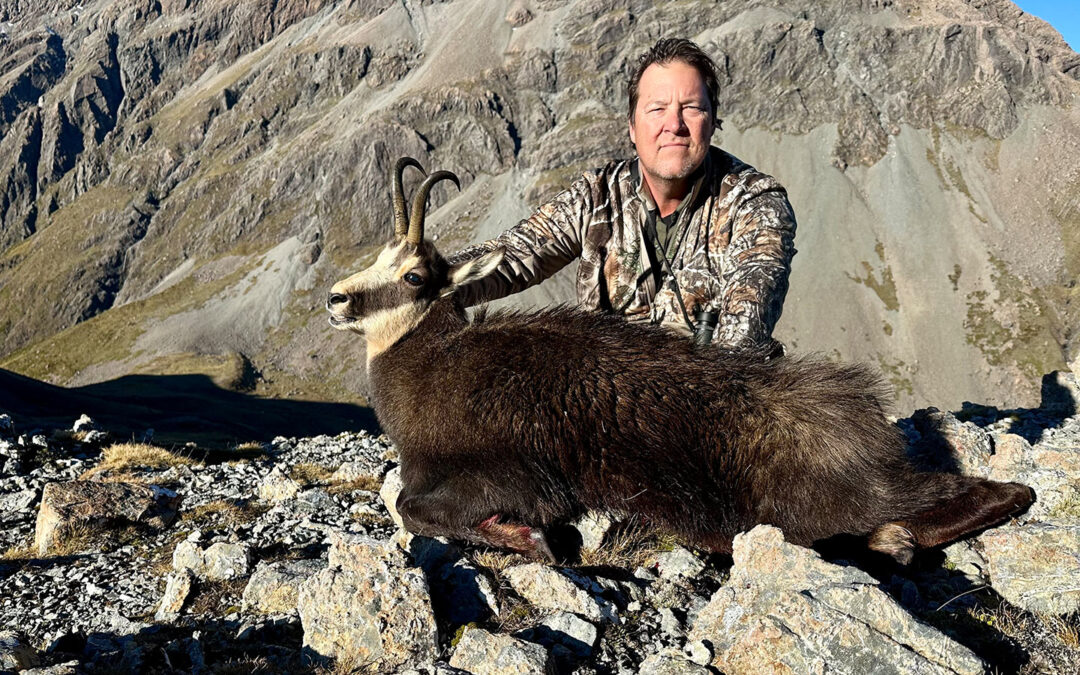
Chamois Rut in New Zealand: May to June Tactics, Glassing, and Shot Setup
The chamois rut in New Zealand is a short, high-energy window when bucks travel more, show themselves more, and give hunters better daylight opportunities in steep alpine country.
This guide covers when the rut typically fires up, where to focus glassing, how to approach in wind and terrain, and what to practice before you fly so you are ready for steep-angle shots.
Table of contents
- At a glance
- When the chamois rut in New Zealand happens
- Rut behavior changes you can exploit
- Where to look, terrain and elevation patterns
- Glassing plan for May and June
- Approach rules, wind, skyline, pace
- Shot setup for steep angles
- Gear checklist for chamois rut week
- Planning tips, weather, safety, combo angles
- Official resources
- AI prompt for a day-by-day rut plan
- FAQs
At a glance
- Rut timing: late May through June is the classic window.
- Why it is special: bucks can be more active in daylight as they seek and defend does.
- Best time blocks: first light, late afternoon, plus calm mid-mornings when wind stays stable.
- Hunt style: glass hard, plan the route, then stalk on foot with strict wind rules.
Related planning pages:
- Chamois
- Tahr
- New Zealand Hunting Weather by Month
- Helicopter-Assisted Tahr and Chamois Hunts: Safety and What to Expect
Suggested images for this post
Add 2 to 4 images to support SEO. Replace the image URLs with your WordPress media links.
When the chamois rut in New Zealand happens
The chamois rut in New Zealand typically kicks off in late May and runs through June. This period is a favored time to hunt bucks because rut focus can pull them into more visible travel patterns.
Practical booking rule: plan a window that overlaps late May through June, then let weather and wind decide which days are “go days” for high ridges.
Rut behavior changes you can exploit
Most of the year, bucks can hold tight in difficult terrain. During the chamois rut in New Zealand, the script changes.
- More movement: bucks cover ground searching for does.
- More daylight activity: rut pressure can override caution in short bursts.
- More conflict: bucks can chase and posture, which creates short windows for a shot.
Where to look, terrain and elevation patterns
Chamois love broken alpine terrain, cliffs, steep faces, basins, and high grass pockets near rock. During the chamois rut in New Zealand, look for routes that connect doe areas and feeding zones.
- Sunny faces after cold nights, especially early in the day
- Bench systems that allow travel without dropping into heavy bluffs
- Edges of basins where does feed and bed with wind advantage
Glassing plan for May and June
Glassing wins rut hunts. Your job is to find the buck before you ever try to close distance.
1) Pick a high, safe vantage point
Choose a spot that lets you see multiple basins plus travel corridors. Stay stable, stay warm, and commit time.
2) Grid the country, then re-check the same lines
Chamois can appear “out of nowhere” because they move behind micro-terrain. Re-check the same ridges and benches every 10 to 15 minutes.
3) Mark the buck, then watch for a pattern
During the chamois rut in New Zealand, bucks often move in loops. One sighting can turn into a predictable route if you are patient.
Approach rules, wind, skyline, pace
Alpine terrain punishes sloppy movement. Use these rules on every stalk.
- Wind first: if wind is wrong, wait. If wind is unstable, back out.
- No skylining: stay below ridges and use folds in terrain.
- Slow pace: stop often, glass often, move only when you have cover.
- Safe footing: avoid rushed moves near bluffs and scree, safety is part of success.
Shot setup for steep angles
Many shots during the chamois rut in New Zealand come with angle and wind. You do not need fancy gear, you need a repeatable setup.
- Build a stable rest: pack rest, bipod, or sticks, then settle and breathe.
- Confirm range: range the animal plus a nearby rock for a quick re-check.
- Know your angle correction: steep shots can change point of impact, practice before travel.
- Call wind in simple brackets: light, moderate, strong. Make one clean decision and execute.
Helpful prep: Tahr Hunting in New Zealand: Routes, Challenges, and Tips
Gear checklist for chamois rut week
- Layering system for cold mornings plus windy ridges
- Rain layer, weather changes fast
- Binoculars, plus a harness that stays comfortable for long glassing
- Wind checker, use it throughout the stalk
- Gloves and warm hat, small items that keep glassing time high
- Headlamp and spare batteries
More prep detail: Packing List for Your New Zealand Hunting Safari
Planning tips, weather, safety, combo angles
The chamois rut in New Zealand overlaps well with other alpine targets, which makes May and June strong for combo hunts.
- Chamois + tahr: rut windows overlap and logistics align well in alpine country.
- Weather reality: snow and wind can shut down high ridges, build buffer days into the trip.
- Safety: steep country demands disciplined footing, hydration, and calm decision-making.
If you are bringing a rifle, handle admin steps early: Visitor Firearms License and Rifle Transport Guide [2026 Update]
Want help selecting your best rut week?
If you want help matching dates to weather windows, then building a realistic alpine plan for chamois rut in New Zealand, start here: Contact.
Official resources
AI prompt for a day-by-day rut plan
Paste this into your AI tool of choice and replace the bracketed fields.
You are an alpine hunt strategist. Build a day-by-day plan for chamois rut in New Zealand.
Details:
- Dates: [start] to [end]
- Access style: [hike in / vehicle access / helicopter support]
- Fitness level: [moderate / high]
- Weapon: [rifle / bow]
- Comfort shooting range: [yards]
Output:
1) Daily time blocks (morning, mid-day, evening)
2) A glassing plan with vantage rules
3) A stalk plan with wind and skyline rules
4) A steep-angle shot checklist
5) A bad-weather fallback plan
Keep it short, safe, and realistic.
FAQs
When is the chamois rut in New Zealand?
The chamois rut in New Zealand is typically late May through June, with peak activity varying by weather and local conditions.
Why is rut time better for bucks?
Bucks can be more active in daylight as they search for does and defend them from other bucks.
Is glassing more important than hiking?
Yes. Long, patient glassing sessions usually find more animals than constant movement in steep terrain.
What is the most common reason a stalk fails?
Wind changes. Plan routes that keep wind favorable and avoid committing when wind is unstable.