
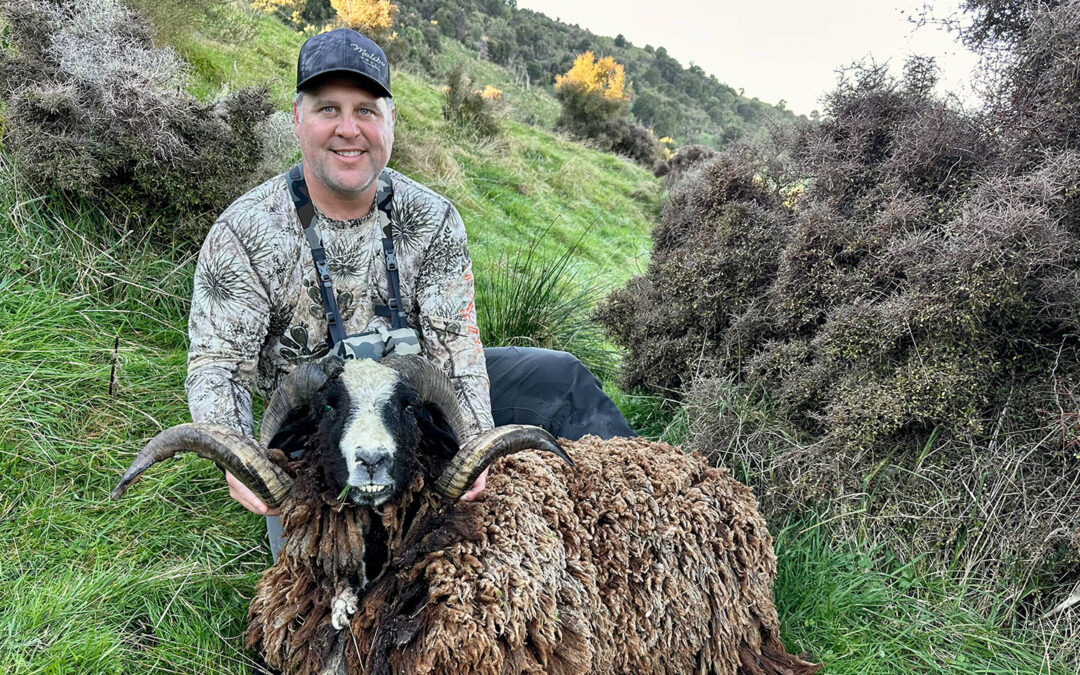
Arapawa Ram Hunt in New Zealand: What It Is, Trophy Expectations, and Best Combo Adds
An Arapawa ram hunt in New Zealand is one of the cleanest “add a unique trophy” plays you can make, especially when your main target is red stag or fallow deer.
This guide explains what Arapawa rams are, what a good trophy looks like, when to hunt them, how the hunt typically unfolds, and which species pair well in the same trip.
Table of contents
- At a glance
- What is an Arapawa ram?
- Trophy expectations for an Arapawa ram hunt in New Zealand
- Where Arapawa rams are hunted
- Best time of year for an Arapawa ram hunt in New Zealand
- How the hunt works, a practical approach
- Best combo adds with Arapawa rams
- Gear notes and prep checklist
- Helpful resources
- AI prompt for a personalized plan
- FAQs
At a glance
- Why it is popular: a rare, distinctive trophy that fits cleanly into a mixed-species hunt.
- Key trophy feature: elegant curling horns, commonly described in curls per side.
- Season: year-round in many areas.
- Best pairing: red stag and fallow deer country often overlaps with Arapawa ram habitat.
Related species pages:
Suggested images for this post
Add 2 to 4 images to support SEO. Replace the image URLs with your WordPress media links.
What is an Arapawa ram?
Arapawa rams are feral sheep that became a unique hunting trophy in New Zealand. They are known for their compact build, tough terrain habits, and curling horns that give them a classic profile on the wall.
They are often hunted as a specialty add-on during a larger safari, especially when you want one more high-quality opportunity without changing the whole trip plan.
Trophy expectations for an Arapawa ram hunt in New Zealand
Most hunters judge Arapawa trophies by horn shape and curl structure. A common way to describe quality is the number of curls per side, plus overall symmetry and horn mass.
- Curl structure: trophy rams often show strong curl development, with many described in the 1.5 to 2.5 curl range per side.
- Mass and balance: heavier bases and even curl lines photograph and display well.
- Presentation: a clean shoulder mount, skull mount, or European style presentation can work well, depending on your preference.
If you want to plan trophy export logistics at the same time, this guide helps: Trophy Export NZ to USA: Timeline, Costs, Options
Where Arapawa rams are hunted
Arapawa rams can be hunted in the same general style of country where deer hunts happen. In many areas, rams overlap with red deer and fallow deer habitat, which is why an Arapawa ram hunt in New Zealand fits so well into a mixed itinerary.
On a guided hunt, the plan is usually to allocate a specific block of time for rams, then return to deer once the right ram is located.
Best time of year for an Arapawa ram hunt in New Zealand
Many hunters target rams year-round. The “best time” often depends on what you are pairing it with and what conditions you want for photos and comfort.
- March to April: strong pairing window with red stag roar travel.
- April to May: strong pairing window with fallow rut timing.
- Winter months: colder weather can improve coat look, but it can increase weather interruptions.
For full-season context, see: Hunting Calendar: When to Hunt Each Species in New Zealand
How the hunt works, a practical approach
An Arapawa ram hunt in New Zealand is usually a spot-and-stalk format. The goal is to locate rams with optics, assess horn curl and body quality, then move in with a wind advantage.
1) Start with glassing, not hiking
Spend your first hour locating. Rams can blend into terrain, and unnecessary movement can push them into cover.
2) Judge the ram, then build the approach
Once you have a candidate, slow down and plan your route. Focus on wind, sightlines, and noise control.
3) Take the best shot you can guarantee
Rams can move fast in steep country. Shooting support and a calm setup matter more than speed.
Best combo adds with Arapawa rams
The main reason an Arapawa ram hunt in New Zealand performs well for hunters is how easily it stacks with other trophies.
- Red stag + Arapawa ram: classic add-on during roar season travel.
- Fallow deer + Arapawa ram: strong pairing during April and May.
- Mixed deer week + Arapawa ram: add rams as a target of opportunity when conditions are right.
Related: What First-Time International Hunters Need to Know
Gear notes and prep checklist
- Binoculars and a comfortable harness
- Quiet outer layers that do not “swish” when you move
- Wind checker, use it often
- Shooting support, bipod, sticks, or pack support
- Boots that handle side-hill travel comfortably
More prep detail: Packing List for Your New Zealand Hunting Safari
Want to add Arapawa rams to your hunt plan?
If you want help choosing dates, pairing species, and building a clean trophy plan, start here: Contact.
Helpful resources
- Rare Breeds Conservation Society: Arapawa sheep overview
- Oklahoma State University: Arapawa Island sheep background
AI prompt for a personalized plan
Paste this into your AI tool of choice and replace the bracketed fields.
You are a hunt planner. Build a practical itinerary for an Arapawa ram hunt in New Zealand.
Details:
- Dates: [start] to [end]
- Primary species: [red stag / fallow deer / mixed]
- Fitness level: [low / moderate / high]
- Trophy goal: [curl preference, mount style]
Output:
1) A day-by-day plan with morning and evening priorities
2) A glassing and stalk checklist
3) Weather and wind decision rules
4) A trophy export plan checklist for shipping to the USA
Keep it short and action-focused.
FAQs
Can you hunt Arapawa rams year-round?
In many areas, yes. A lot of hunters plan an Arapawa ram hunt in New Zealand as an add-on to deer dates that are already locked in.
How do hunters judge trophy quality?
Most focus on horn curl structure, symmetry, and mass, plus overall body maturity.
What is the best pairing for a short trip?
Red stag or fallow deer trips pair well because habitat overlap is common and the travel flow stays simple.
Is this hunt mostly spot-and-stalk?
Yes. Glassing, evaluating, then stalking with a wind plan is the standard approach.