
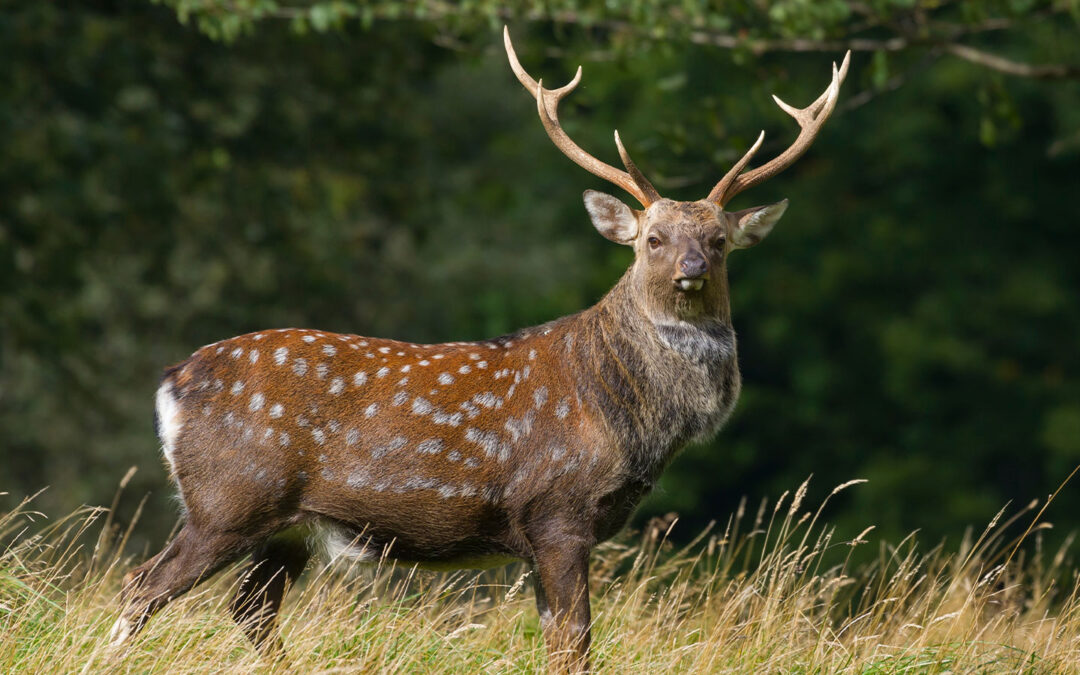
Sika Deer Rut in New Zealand: Best Dates, the “Scream,” and How to Hunt It
The sika deer rut in New Zealand is one of the most intense windows you can hunt, tight cover, close encounters, and vocal stags that can sound unreal in the dark.
This field guide covers when the rut usually peaks, how the “scream” works, where hunters get stuck, and a simple, high-percentage approach for calling, stalking, and sealing the deal.
Table of contents
- At a glance
- When the sika deer rut in New Zealand happens
- Why sika feel harder than most deer
- The “scream” and what it tells you
- How to hunt the sika deer rut in New Zealand, tactics that work
- Calling basics, when to call, when to shut up
- Wind and approach rules for bush country
- Gear checklist for rut week
- Trip planning tips, dates, weather, and expectations
- Official resources
- AI prompt for a personalized sika rut plan
- FAQs
At a glance
- Typical rut window: mid March through late April in many areas, with some pockets staying productive into early May.
- What changes: more vocal stags, more daylight movement, tighter herd behavior.
- Best time of day: first light and the last hour, plus short bursts of activity during calm mid-mornings.
- Best terrain: bush edges, creek bottoms, shaded faces, and small openings you can watch quietly.
- One rule that never changes: wind direction controls everything.
Related planning tools:
- Hunting Calendar: When to Hunt Each Species in New Zealand
- New Zealand Hunting Weather by Month
- Sika Deer in New Zealand, species overview
When the sika deer rut in New Zealand happens
Most hunters plan around a rut window that runs from mid March through late April. In some areas, especially in thick bush country, rut behavior can still show strong into early May.
Practical planning rule: book dates that give you overlap with late March through mid April, then stay flexible for weather and wind windows.
If you are mapping a multi-species trip, this is where the calendar helps, because red stag roar and sika rut can overlap depending on location and conditions.
Why sika feel harder than most deer
Sika are often called “ghost deer” for a reason. They live in tight cover, they move like shadows, and they can vanish after one small mistake.
- More cover, fewer long looks. You get fewer visual reps than you would in open country.
- High alert behavior. They stop, listen, and wind-check constantly.
- Short shot windows. Many opportunities are quick, then gone.
- Sound discipline matters. Quiet feet and slow movement win more than aggressive hiking.
The “scream” and what it tells you
The famous sika “scream” is a rut vocalization that can sound like a whistle, a screech, or a high, sharp call. It is one of the most useful tools you can have because it gives you location intel in country where you might not see anything for hours.
- One scream is information. Stop, listen, then mark the line of travel.
- Repeated screaming can mean competition. Multiple stags in an area can create a short window of aggressive movement.
- Silence does not mean no deer. Windy days, pressure, and thick cover can reduce vocal activity.
For calling mindset and approach rhythm, this roar guide is a useful parallel: Red Stag Roar Tactics in New Zealand: Let Him Do the Talking
How to hunt the sika deer rut in New Zealand, tactics that work
The sika deer rut in New Zealand rewards one thing, controlled movement with a plan. Use this simple framework.
1) Hunt the edges, then slip into cover
Start where bush meets openings, creek lines, or thin timber. Let your eyes do the work first, then move in only when you have a reason.
2) Set up on small openings
Pick a clearing the size of a living room, sit tight, and scan slowly. In sika country, a “big opening” can be too exposed and too loud to approach.
3) Use sound to locate, then stalk with wind
When you hear screaming, close the distance quietly. Stop often. Let the stag make noise again before you commit to the final approach.
4) Expect close shots, plan for them
Many chances are inside 100 yards, sometimes much closer. Confirm your rifle setup and your personal comfort range before you arrive.
Calling basics, when to call, when to shut up
Calling can work during the sika deer rut in New Zealand, but it is easy to overdo it. Use short sequences, then let the woods settle.
- When to call: calm mornings, steady wind, active vocal stags, or when you need to pull a stag to an opening.
- When to stop calling: when wind is swirling, when you are close and unsure, or when you suspect the stag is already moving your way.
- Simple call plan: 10 to 20 seconds of calling, then 5 to 10 minutes of silence and listening.
Calling should create a decision point for the stag. You are trying to trigger movement, not fill the valley with noise.
Wind and approach rules for bush country
If you do one thing right, do this: keep the wind in your favor. Sika will forgive a lot less than most hunters expect.
- Assume wind will change near gullies and creek bottoms. Move slower in these zones.
- Use terrain to hide movement. Stay behind rises, use timber lines, and avoid skylining.
- Stop more than you walk. In rut week, your best advantage is patience.
Gear checklist for rut week
- Quiet outer layers, fabrics that do not “swish” in brush
- Good rain layer, weather changes fast in New Zealand
- Compact binoculars, plus a harness that stays quiet
- Wind checker, use it often
- Shooting support, bipod, sticks, or pack support
- Headlamp, plus spare batteries for early starts
More prep detail: The Ultimate Packing List for Your New Zealand Hunting Safari
Trip planning tips, dates, weather, and expectations
The best sika hunts are built around good dates, realistic weather expectations, and a plan that matches your hunting style.
- Match your dates to the rut: prioritize late March through April for peak rut behavior.
- Plan for wet ground: rain can raise noise risk, so footwear and pace matter.
- Build a combo plan: if you are considering a mixed trip, align your target species with the Hunting Calendar.
If you are bringing a rifle, prep the admin steps early: Visitor Firearms License and Rifle Transport Guide [2026 Update]
Ready to plan your rut dates?
If you want help selecting the best week for your goals, then matching it to species options and travel logistics, start here: Contact.
Official resources
AI prompt for a personalized sika rut plan
Paste this into your AI tool of choice and replace the bracketed fields.
You are a hunting strategist. Build a day-by-day plan for the sika deer rut in New Zealand.
Details:
- Dates: [start date] to [end date]
- Location type: [bush edges / creek bottoms / mixed openings]
- Experience level: [new to sika / experienced]
- Weapon: [rifle / bow]
- Comfort shooting range: [yards]
Output:
1) Best time blocks each day (morning, mid-day, evening)
2) A calling plan and a silence plan
3) Wind and approach rules in bullet form
4) A short gear checklist for my conditions
Keep it short, tactical, and realistic.
FAQs
When is the sika deer rut in New Zealand?
Many hunters plan for mid March through late April, with some pockets staying productive into early May depending on conditions and location.
What is the sika “scream”?
It is a rut vocalization that helps you locate stags in thick cover. Treat it like a GPS ping, stop, listen, and plan your approach with wind.
Can you call sika during the rut?
Yes, calling can work. Keep sequences short, then sit in silence and listen. Overcalling can reduce your odds in pressured areas.
What is the biggest mistake hunters make?
Moving too fast and ignoring wind changes near gullies and creek bottoms. Slow down, stop often, and keep your approach disciplined.
What is a good way to plan a combo hunt?
Use your target species list, then match dates using the hunting calendar so you overlap rut windows and realistic weather.